
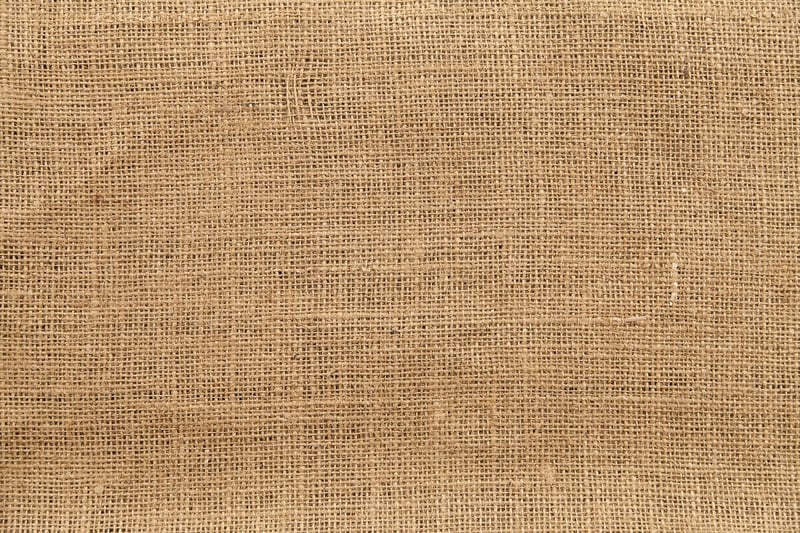
Sustainable Materials for Eco-Friendly Design
In recent years, the demand for sustainable and eco-friendly design solutions has been on the rise. Designers and consumers alike are becoming more conscious of the environmental impact of the products they use and create. One of the key aspects of sustainable design is the use of materials that are renewable, recyclable, and low-impact. Organic fabrics are a prime example of such materials that are not only environmentally friendly but also offer numerous benefits.
Benefits of Organic Fabrics
Organic fabrics are made from materials that are grown without the use of synthetic pesticides or fertilizers. These fabrics are produced using methods that have a lower impact on the environment compared to conventional fabric production. Here are some benefits of using organic fabrics:
- Environmentally Friendly: Organic fabrics are produced in a way that minimizes harm to the environment, such as reducing water usage and avoiding synthetic chemicals.
- Healthier for You: Since organic fabrics are free from harmful chemicals, they are safer for the skin and overall health.
- Biodegradable: Organic fabrics break down naturally, reducing their impact on landfills and the environment.
- Sustainable: Organic farming practices promote soil health and biodiversity, making organic fabrics a sustainable choice.
Types of Organic Fabrics
There are various types of organic fabrics available in the market, each with its unique characteristics and uses. Some common types of organic fabrics include:
- Organic Cotton: Known for its softness and breathability, organic cotton is a popular choice for clothing and home textiles.
- Organic Linen: Made from the flax plant, organic linen is durable, moisture-wicking, and perfect for warm weather clothing.
- Organic Hemp: Hemp is a versatile plant that produces strong and durable fibers, ideal for sustainable textiles.
- Tencel (Lyocell): Tencel is a sustainable fabric made from wood pulp, known for its softness and drape.
Conclusion
As the importance of sustainability continues to grow, incorporating organic fabrics into eco-friendly design projects is a step in the right direction. By choosing materials that are not only better for the environment but also offer superior quality and comfort, designers can create products that resonate with environmentally conscious consumers.

Choose organic fabrics for your next design project and make a positive impact on the environment while creating stylish and sustainable products.